Repairs
How to Spot a Roof Leak Before It Damages Your Ceiling
Published · Written by Don Valley Roofing
A ceiling stain feels like the start of the problem, but it’s almost always the end of one. Water usually has to travel some distance through insulation, timber and plasterboard before it shows up as a brown patch overhead. Understanding where leaks actually start makes them much easier to catch early.
Where roof leaks actually begin
Contrary to what most people assume, leaks rarely start in the middle of a plain run of tiles, since tiles overlap by design and shed water well. The real weak points are the junctions instead — anywhere the roof covering meets something else.
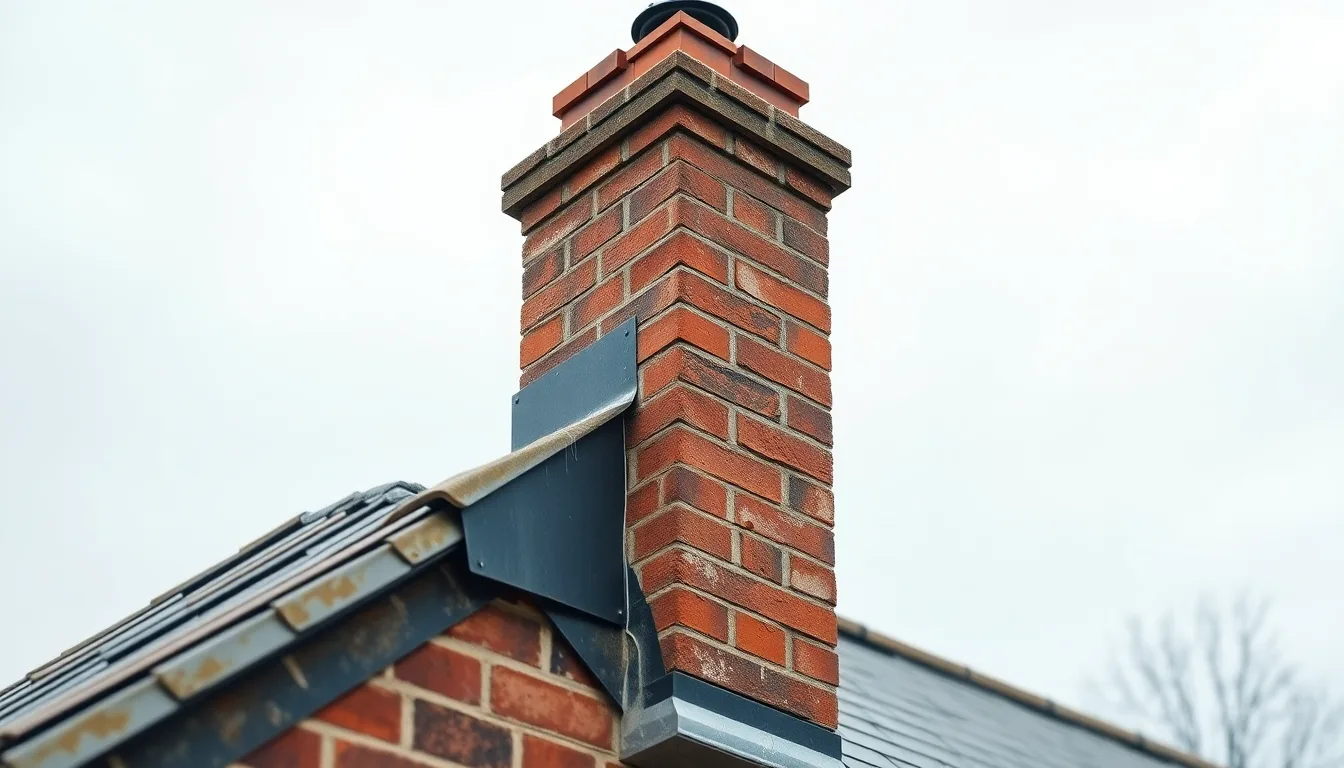
- Chimney flashing. The lead or mortar seal around a chimney stack is one of the single most common leak sources on older Doncaster homes and the Victorian terraces we see around Retford.
- Valleys. Where two roof slopes meet and channel water together, valleys take more water flow than any other part of the roof and any crack shows up fast.
- Around roof windows and vents. Any penetration through the roof covering relies on a flashing seal, and seals age faster than the tiles around them.
- Abutments. Where a roof meets a wall — a rear extension against the main house, for example — the flashing there is a frequent failure point.
Our guide to leadwork and flashing goes into these junctions in more detail. Since slipped or displaced ridge tiles are another common culprit, particularly after high winds, our guide to ridge tile repairs and re-bedding covers how those get fixed too.
Checks you can do from the ground and in the loft
You don’t need to get on the roof to catch most leaks early. From the ground, look for missing, slipped or discoloured tiles, sagging gutters, and moss buildup around chimneys and valleys. In the loft, ideally with a torch on a dry day, check for the signs below:
- Damp or dark staining on the felt or timber, especially near the chimney stack or valleys
- Daylight visible through the roof structure
- A musty or damp smell that wasn’t there before
- Insulation that feels damp or has visibly compressed or discoloured patches
- Any drip marks or watermarks on rafters, even if currently dry
A watermark with no active dripping doesn’t mean the problem’s gone, however. It often means the leak is intermittent, appearing only in heavier or wind-driven rain, which makes it easy to miss on a dry-day inspection.
Signs it’s already reached the inside of the house
If you’re seeing any of the following, water has already tracked through the roof structure and the issue needs addressing without delay. A ceiling stain that’s spreading or darkening over days, rather than staying static, is one such sign. Peeling paint, bubbling plaster, a persistent musty smell in an upstairs room, or visible mould on a ceiling or upper wall are others.
What to do once you’ve spotted one
Resist the urge to climb up and inspect the roof yourself, since most leak sources are exactly the places that are hardest to reach safely. Note where inside the house the damp or staining appears, since that helps narrow down which part of the roof to check first. Get it looked at properly, too, before the next spell of wet weather.
A leak that’s caught early is very often a same-day repair. One left through a wet Yorkshire winter, however, can spread into the timbers and cost significantly more to put right — see our 2026 repair cost guide for what that difference typically looks like. If a storm is what caused it, our storm damage repair guide covers what to do in the first 24 hours.
If you think you’ve got a leak, our roof repairs team will trace it properly rather than guessing from the ceiling stain alone. Get in touch, whether you’re in Doncaster itself or out towards Armthorpe, and we’ll take a look.
Related pages
Got a roofing job in mind?
Send us a few details and we'll give you an honest, no-obligation quote.
Get a Free Quote